
Things to Do in Laos in July
July weather, activities, events & insider tips
Shoulder Season · Good Value
July Weather in Laos
Temperature, rainfall and humidity at a glance
88°F (31°C)
High Temp
77°F (25°C)
Low Temp
12.1 inches (307 mm)
Rainfall
70%
Humidity
⚠ Heavy rainfall expected, carry rain gear daily
Is July Right for You?
Weigh the advantages and considerations before booking
Advantages
- + Waterfalls at their most spectacular, Kuang Si Falls south of Luang Prabang shifts from the turquoise postcard trickle of dry season into a roaring, mist-throwing cascade you can hear from 400 m (1,312 ft) away. Tad Fane on the Bolaven Plateau, a twin-drop waterfall plunging 120 m (394 ft) into a jungle gorge, is equally thunderous. This is the Laos that nature photographers wait all year to shoot.
- + You will likely have entire temples, guesthouses, and river stretches to yourself. July sits squarely in Laos's lowest tourist season, visitor numbers drop roughly 60-70% from the November-February peak. The morning alms ceremony in Luang Prabang, which in high season can feel like a photo op with more cameras than monks, reverts to what it is: a quiet, pre-dawn ritual where saffron-robed monks pad barefoot along Sakkaline Road collecting sticky rice from kneeling residents. You might be the only foreigner watching.
- + The landscape turns an almost unreasonable shade of green. Rice paddies across the Vientiane Plain and the valleys around Nong Khiaw flood and get planted in July, creating that layered, luminous green patchwork that defines Southeast Asian monsoon country. The mountains around Vang Vieng, which look like bare limestone karst in the dry months, get swallowed by vegetation so thick the rock disappears. If you care about landscape photography or just want to see Laos at its most alive, this is the month.
- + Accommodation rates drop 40-50% from peak season, and guesthouse owners in places like Luang Prabang and Vang Vieng are happy to see you, which translates to upgrades, flexibility on check-in times, and the kind of unhurried hospitality that evaporates when every room is booked. Multi-night stays often come with further discounts if you simply ask.
Considerations
- − The rain is real, and it will reshape your plans. July averages 22 rainy days in the lowlands, and while most storms follow a predictable afternoon pattern, some systems stall and dump rain for 6-8 hours straight. Unpaved roads in Phongsali province, parts of Xieng Khouang, and rural Bolaven become impassable, red laterite mud that swallows motorcycle tires and turns four-hour drives into eight-hour ordeals. If your itinerary depends on remote overland travel, July will test your flexibility.
- − The humidity is the kind that hits you walking between your air-conditioned room and the breakfast table. At 82% average and frequently higher, everything feels damp, your clothes, your bag, your camera lens fogs the moment you step outside. Mold can appear on leather goods overnight. It is physically exhausting in a way that dry heat is not, and even short walks in Vientiane's midday sun leave you wrung out. Locals know this and simply do not go outside between noon and 3 PM if they can avoid it.
- − Several popular activities shut down or become risky. Cave tubing in Vang Vieng gets suspended when the Nam Song river rises, the same current that makes dry-season tubing lazy and beer-friendly becomes fast enough to be dangerous. Tham Kong Lo cave, one of Laos's most spectacular sites in Khammouane province, closes periodically when water levels inside the 7.5 km (4.7 mile) river cave rise too high for longboats. Check conditions locally before committing to a long journey to reach it.
Best Activities in July
Top things to do during your visit
Kuang Si Falls and Waterfall Trekking
The 60 m (197 ft) main cascade at Kuang Si runs at roughly three times its dry-season volume in July, and the sound alone, a low, continuous roar that vibrates in your chest, tells you this is a different waterfall than the one in the postcards. The famous turquoise pools below shift to a deeper jade-green as sediment increases. But they remain swimmable in the lower tiers when rain hasn't been too heavy. The real July advantage is the trail system above the main falls. A muddy but manageable path climbs through monsoon forest for about 1.5 km (0.9 miles) to the source pools at the top, where you'll likely be completely alone, the few tourists who do visit in July rarely go past the main viewing platform. The Asiatic black bear rescue center at the entrance is active year-round and worth 30 minutes. Plan to arrive by 9 AM before any afternoon storms roll in, and wear shoes with actual grip, flip-flops on wet limestone is how people get carried out.
Booking Tip: The falls are about 30 km (18.6 miles) south of Luang Prabang. Shared transport is easy to arrange through any guesthouse, or book a guided nature trek that includes the falls through licensed operators, see current options in the booking section below. Weekday visits mean fewer people even in high season, and in July you could have entire sections to yourself.
Luang Prabang Temple Circuit and Alms Ceremony
Luang Prabang is a UNESCO World Heritage town of 34 temples packed into a peninsula where the Mekong and Nam Khan rivers meet, and July strips away the tourist veneer to show you what it looks like when the town belongs to its residents again. The tak bat, the morning alms-giving ceremony, begins around 5:30 AM along Sakkaline Road, when lines of monks emerge from temple gates into air that smells like wet frangipani and charcoal from kitchen fires. In dry season, rows of tourists with telephoto lenses often outnumber the monks. In July, you might watch from a quiet doorway with two or three locals. Wat Xieng Thong, the most architecturally significant temple in the country, sits at the tip of the peninsula where the rivers converge, its sweeping roof lines and mosaic tree-of-life on the rear wall deserve an hour of slow looking, not the 10-minute rush most visitors give it. The rain-slicked temple grounds, empty of crowds, reflecting grey sky off golden stupas, this is Luang Prabang at its most photogenic, counterintuitive as that sounds.
Booking Tip: Walking the temple circuit independently is straightforward, the peninsula is only about 1.5 km (0.9 miles) long. But a knowledgeable local guide transforms the experience from architecture-gazing into understanding the living Buddhist practice that still defines daily life here. Book cultural walking tours through licensed operators, see current options in the booking section below. Early morning departures are standard for the alms ceremony.
Vang Vieng Kayaking on the Nam Song
Vang Vieng in July is Vang Vieng with the volume turned up. The Nam Song river, which in dry season is a gentle, shallow ribbon good for lazy tubing, swells into a proper whitewater river with Class II-III rapids that make guided kayaking exciting. The limestone karst mountains on either side, sheer walls rising 200-300 m (656-984 ft) straight from the valley floor, disappear into low cloud and mist in a way that looks like a Chinese ink painting come to life. You paddle through it rather than just looking at it. The water is warm, around 25°C (77°F), and capsizing is not a disaster, just a laugh. That said, July is precisely the month when unguided river activities become dangerous, the current is strong enough that tubing operators frequently shut down, and swimming in the river is inadvisable without a life jacket. Stick with licensed kayaking outfitters who know the daily water levels and have proper safety equipment. The morning is your window: rivers tend to be calmer before afternoon rains swell them further.
Booking Tip: Half-day kayaking trips are the standard format and typically include transport from town to the put-in point upstream. Book at least 2-3 days ahead in July, while tourist numbers are low, fewer operators run trips in monsoon season, so available slots are limited. Look for operators with proper safety briefings, helmets, and life jackets, see current options in the booking section below.
Bolaven Plateau Waterfall Circuit and Coffee Plantation Walks
The Bolaven Plateau in southern Laos sits at around 1,000-1,300 m (3,280-4,265 ft) elevation, which in July means temperatures 8-10°C (14-18°F) cooler than the sweltering lowlands, a genuine relief that makes hiking pleasant rather than punishing. The plateau is studded with waterfalls, and July turns every one of them into something worth stopping for. Tad Fane, the tallest in Laos at 120 m (394 ft), drops as parallel streams into a jungle gorge so deep the spray never reaches you at the viewpoint, you just hear the bass rumble and watch the mist rise. Tad Yuang, a wider curtain-style fall surrounded by coffee plants, is swimmable at the base if the current is not too strong. The coffee connection is real, Lao arabica and robusta grow across the plateau, and July is mid-growing season when the plants are lush and flowering. Walking through a small-holder coffee farm with the farmer explaining the process, picking a ripe cherry and tasting the sweet mucilage around the bean, then drinking a cup brewed from their own roast on a wooden porch while rain hammers the tin roof, that is a specifically Lao experience you will not replicate elsewhere.
Booking Tip: The Bolaven Plateau loop is typically done from Pakse, either as a day trip covering the major falls or a 2-3 day circuit staying in local guesthouses. Self-driving by motorbike is popular but roads can be slippery in July, consider a guided tour if you are not an experienced rider on wet roads. See current guided options in the booking section below.
Lao Cooking Classes and Market Tours in Vientiane
Laos food is the quiet sibling of Thai cuisine, less internationally famous, more assertively funky, and built on a foundation of sticky rice, fermented fish paste called padek, and a charcoal-grilled smokiness that gets into everything. July is an ideal month for cooking classes because the wet season floods the morning markets with ingredients that simply are not available in the dry months: fresh bamboo shoots with a clean, vegetal crunch. Wild mushrooms foraged from the forests around the Mekong. Bundles of dill and sawtooth coriander still damp with rain. A proper class starts at Talat Sao or the Khua Din morning market in Vientiane, where the instructor navigates the maze of vendors selling padek from ceramic jars, mountains of bird's-eye chilies, and banana-leaf packets of fermented pork sausage. You learn to pound a jeow mak len, a roasted tomato and chili dipping sauce, in a clay mortar, make laap with hand-minced pork and toasted rice powder that adds a nutty crunch, and cook or lam, a thick stew with lemongrass, galangal, and the bitter-medicinal herb called sa khan that gives Lao cooking its distinctive edge. This is a perfect rainy afternoon activity, you are indoors, surrounded by the smell of charcoal and herbs, eating what you have made while monsoon rain pounds the roof.
Booking Tip: Cooking classes in Vientiane and Luang Prabang fold a market tour into every session and last 3-4 hours. Reserve a day or two ahead, even in low season, to be sure the class runs, some schools insist on a minimum headcount. Scan the booking section below for the latest options.
Nong Khiaw River Valley Trekking
Nong Khiaw is a pocket-sized town strung along the Nam Ou river in northern Laos, hemmed by sheer limestone walls that in July disappear under cloud and drip with jungle green. This is trekking for hikers who like their panoramas hard-won and their boots caked in mud. The signature climb is the Pha Daeng viewpoint, a punishing 1-2 hour ascent gaining roughly 400 m (1,312 ft) on a July trail that alternates between slick red clay and knotted tree roots. The reward is a 360-degree sweep of the Nam Ou valley swimming in mist, karst spires jutting through like islands in a white sea. On clear mornings, and July does deliver them, usually before 10 AM, the light is pure gold. Village treks from Nong Khiaw to Khmu and Hmong hamlets in the hills give an unfiltered look at rural Lao life: bamboo stilt houses, kids chasing chickens, rice thudded in wooden mortars. Leeches are part of the July deal, harmless yet unnerving the first time one clamps onto an ankle. Tuck trousers into socks and pack salt or a lighter and you'll cope just fine.
Booking Tip: Nong Khiaw sits 3-4 hours from Luang Prabang by minivan, though July rains can push that longer. Local guide associations in town set up treks from half-day viewpoint hikes to multi-day village homestays. A guide is non-negotiable once you leave the marked Pha Daeng track, paths are unsigned and the jungle is dense. Book through licensed outfits or check the guided trek listings below.
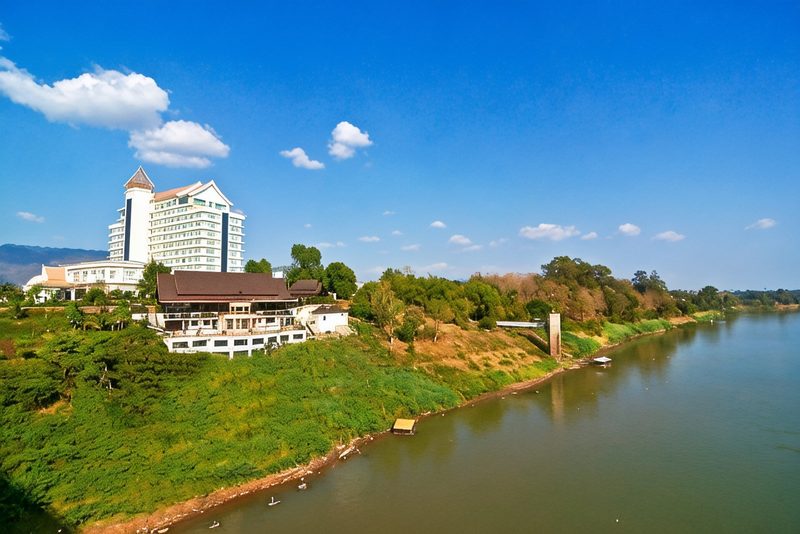
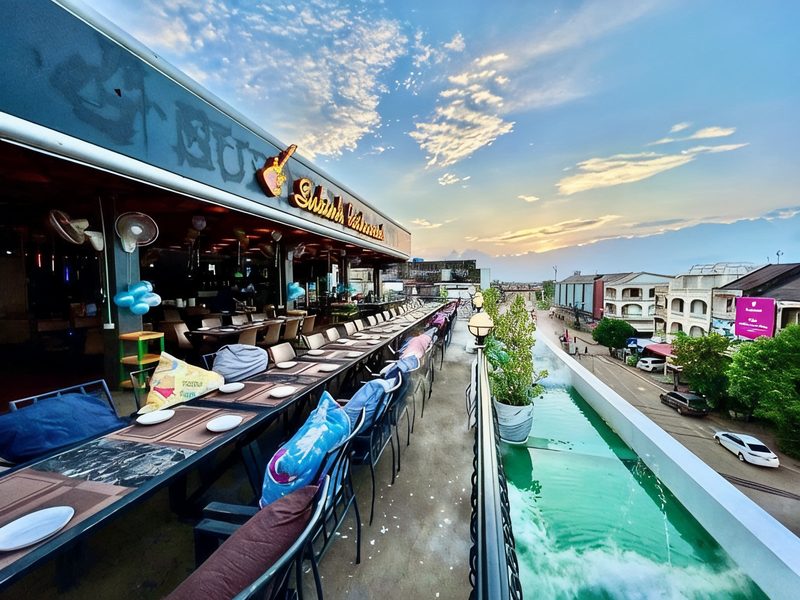
Where to Stay in Laos in July
Hand-picked hotels across price tiers for July travellers.
Packing Checklist
Bookmark this page — your progress is saved between visits
Need the full list with shopping links?
Climate-specific gear, brand recommendations, and what to leave at home.
View Laos Packing List →Essential Tips
Insider knowledge and common pitfalls to avoid
Insider Knowledge
The morning alms ceremony in Luang Prabang is not a performance, it is a daily religious practice that predates tourism by centuries. The worst thing you can do is shove a camera in a monk's face from 30 cm (12 in) away, which happens constantly in high season. In July, with fewer visitors, you have a genuine opportunity to observe it with respect. Sit or stand at a distance, do not use flash, and do not buy the tourist-trap sticky rice being sold by vendors on the street specifically for foreigners to give, it is often stale and the monks quietly discard it. If you want to participate, buy fresh sticky rice from the morning market the day before and prepare it yourself, or simply watch. The monks walk in complete silence. You should too.
Laos food is distinct from Thai food and deserves to be understood on its own terms. The foundation is khao niao, glutinous sticky rice, which Lao people eat at every meal by pulling off a small ball with the right hand and using it to scoop up dishes. The characteristic Lao flavor profile comes from padek, a thick fermented fish paste that smells challenging to newcomers but adds a deep, savory complexity that fish sauce alone cannot replicate. Ask for it. Eat at the morning markets where vendors set out trays of grilled meats, jeow dipping sauces, and steamed vegetables. A full breakfast eaten squatting on a plastic stool at Khua Din market in Vientiane, laap, sticky rice, grilled chicken, a bowl of or lam if you are lucky, is the best meal in the country, and most tourists walk right past it.
Laos travel insurance is not optional and should cover medical evacuation, this is non-negotiable. The country has limited medical infrastructure, and anything serious means a medevac across the Mekong to Udon Thani in Thailand, which can run into significant costs without coverage. Hospital facilities in Vientiane are improving but still basic by Western standards, and outside the capital, clinics may lack essentials. Buy complete travel insurance before you arrive, confirm it covers motorcycle accidents (many policies exclude them by default), and keep a printed copy of your policy number and emergency contact on your person.
ATMs exist in Vientiane, Luang Prabang, Vang Vieng, and Pakse, but dispense Lao kip in limited amounts per transaction and charge foreign card fees. In smaller towns, Nong Khiaw, Muang Ngoi, Phonsavan, most of the Bolaven Plateau, ATMs are either unreliable or nonexistent. Carry enough US dollars or Thai baht as backup (both are widely accepted at informal exchange rates), and withdraw larger amounts when you are in cities. Mobile payment is slowly arriving in Laos but is nowhere near reliable enough to depend on as of 2026.
Avoid These Mistakes
Planning a rigid day-by-day itinerary and then getting frustrated when July weather reshapes it. Roads flood, boats get delayed, hikes get cancelled. The travelers who enjoy monsoon Laos are the ones who build 1-2 buffer days into every week and treat rain delays as an excuse to sit in a guesthouse with a Beerlao watching the Mekong rise. The ones who have a non-refundable bus ticket to catch every morning end up miserable. Loose plans, not fixed schedules.
Renting a motorbike without experience riding on wet, unpaved roads and then attempting rural routes. The stretch between Vang Vieng and Luang Prabang has improved dramatically. But secondary roads across northern Laos remain unsealed, and wet laterite clay is treacherously slippery even for experienced riders. Every monsoon season, guesthouses in Vang Vieng and Luang Prabang see tourists return with road rash, broken collarbones, or worse. If you are not confident on a motorbike in rain, use shared transport or hire a driver. The savings are not worth the risk.
Treating Laos as a cheaper, quieter version of Thailand and missing what makes it a different country. Laos moves at a different speed, things close earlier, people speak more softly, and the expectation of instant service that works in Bangkok will get you nowhere in Luang Prabang. The Lao phrase 'bo pen nyang', roughly 'no problem' or 'it does not matter', is not customer service indifference, it is a genuine cultural philosophy about not sweating small disruptions. Meeting it with impatience marks you as someone who has missed the point entirely. Slow down. You are in Laos now.
Ready to plan your trip to Laos?
Now that you've got the research covered, here's where to go next.
Book Experiences in Laos
Top-rated things to do in Laos this July


Explore More Activities in Laos
Didn't see anything interesting yet?
Browse Viator's full catalog of tours, day trips, food experiences, and private guides in Laos.
See All Laos Tours on Viator