
Things to Do in Laos in September
September weather, activities, events & insider tips
Shoulder Season · Good Value
September Weather in Laos
Temperature, rainfall and humidity at a glance
88°F (31°C)
High Temp
75°F (24°C)
Low Temp
10.6 inches (269 mm)
Rainfall
70%
Humidity
⚠ Heavy rainfall expected, carry rain gear daily
Is September Right for You?
Weigh the advantages and considerations before booking
Advantages
- + Laos turns electric green. Rice paddies around Luang Namtha and the Plain of Jars fill until they reflect the mountains like glass, and waterfalls such as Kuang Si and Tad Sae roar at full force, nothing like the dry-season trickles. Your camera will beg for mercy.
- + Tourists vanish. September sits at the bottom of Laos's visitor curve, so Luang Prabang's dawn alms-giving shrinks from shoulder-to-shoulder crowds to a quiet line of monks and a handful of observers. Wat Xieng Thong's mosaic walls glow in the monsoon light without a tour group in sight, and guesthouses that demand weeks of advance booking in December suddenly have same-day beds.
- + Prices fall off a cliff. What costs top dollar from November to February drops 30, 50% in September. This applies to riverside guesthouses in Luang Prabang and bungalows along the Mekong in Si Phan Don. Same room, same view, same breakfast, minus the markup.
- + September lands in Vassa, the three-month Buddhist Lent when monks stay put for study and meditation. Temples hum with purpose: chanting rolls through the halls at dawn and dusk, ordinations pop up weekly, and locals pour into neighborhood wats to make merit with an intensity you will not see once high season returns. If you came for living Buddhism, this is the month.
Considerations
- − Rain shapes every plan. Expect 20-plus wet days, often starting around 1 PM with a gray lid that cracks into a vertical torrent lasting one to three hours. Some days it never stops. Dirt roads in the countryside turn to axle-deep mud. The 400 km (249 miles) of Route 13 between Vang Vieng and Luang Prabang can slide shut for hours after a landslide. If you need guaranteed sun, book elsewhere.
- − Rivers become hazards. The Mekong swells so high that the slow-boat ride from Huay Xai to Luang Prabang turns rough and dull, banks vanish, debris drifts, and scenery sinks. In Vang Vieng, tubing on the Nam Song turns dangerous when the current spikes. Several outfits simply lock the gates. Check conditions the morning you go, not the night before.
- − Travel slows to a crawl. Lao Airlines flights suffer the worst September delays, fog and low cloud ring Luang Prabang's mountain bowl and can scrub departures. Buses crawl over soaked roads. The Vientiane, Vang Vieng run that clocks 7, 8 hours can drag to 10. Build slack into every leg. Rigid schedules will break you.
Best Activities in September
Top things to do during your visit
Kuang Si Falls Full-Force Monsoon Visit
Kuang Si in September is a different beast from the postcard. The 60 m (197 ft) main fall thunders, and the sound alone justifies the 30 km (19 mile) drive south of Luang Prabang. Silt turns the turquoise pools milky jade. Yet you can swim in warm, rushing water with almost no one else around. The bear rescue center stays open, and the muddy trail to the top, tree roots for stairs, feels like a jungle expedition. Arrive early. By 2 PM the rain usually returns and the access road turns to soup. Pack water shoes, not flip-flops.
Booking Tip: Luang Prabang guesthouses book shared transport the night before. Licensed day trips bundle the entrance fee and bear center ticket. A half-day is plenty; full-day add-ons include Tad Sae Falls. But in September its pools are submerged and underwhelming. See current guided options in the booking section below.
Luang Prabang Temple and Alms-Giving Cultural Immersion
The tak bat rolls at dawn every single day, rain or shine. In September, during Vassa, the ritual feels heavier. By now the monks have spent two months in retreat, and the families kneeling on wet pavement offer sticky rice with quiet gravity you can taste in the air. Steam from khao niew mixes with the scent of last night's rain; bare feet pad on stone. Afterward, wander the UNESCO old town, 34 temples packed into a few square kilometers, many restored in the 1990s, 2000s yet still showing 16th-century murals. Wat Xieng Thong's glass-mosaic Tree of Life catches the gray morning light and still glows. Drop by the Heritage House, a French-colonial villa turned cultural center, for context on what you just witnessed.
Booking Tip: Cultural walking tours with local guides give you the back-story behind the gilded roofs and saffron robes, look for guides certified by the Luang Prabang tourism office. Reserve the day before; September groups are usually minuscule. For the dawn alms ceremony, watch from across the street unless a local family waves you in. Skip the tourist rice baskets hawked on Sisavang Vong, the rice is stale and the monks wordlessly tip it into the gutter. Current guided temple tours are in the booking section below.
Kong Lor Cave Underground River Expedition
Kong Lor Cave in Khammouane Province punches 7.4 km (4.6 miles) straight through a mountain, and the only way in is by motorized longboat into pitch-black nothing. September's swollen Nam Hin Bun River turns the ride into a high-speed slalom: the boatman guns the engine, the ceiling vaults to 90 m (295 ft) overhead, and your headlamp catches only silver flashes of water and limestone. Halfway in he kills the motor inside a cathedral-sized chamber. The echo dies, the darkness swallows you whole, and sixty seconds of absolute silence feel like outer space. The cave sits inside Phou Hin Bun National Protected Area; outside, monsoon clouds snag on jagged karst peaks that look brushed in ink. Commitment is non-negotiable, 330 km (205 miles) from Vientiane via Tha Khek, and the final laterite road turns to fudge in wet season.
Booking Tip: Travelers sleep in Tha Khek and organize transport from there. Allow a full day each way. The cave runs year-round with mandatory local boatmen, no independent entries. Life jackets are provided and strictly enforced in September's higher water. Book through Tha Khek tourism offices or see organized multi-day tours in the booking section below that include transport from Vientiane.
Bolaven Plateau Waterfall and Coffee Circuit
The Bolaven Plateau rises to 1,200 m (3,937 ft), so while the lowlands stew in 35°C steam, September afternoons here hover at a crisp 22-25°C (72-77°F). Volcanic red earth and shade-grown canopies nurse both arabica and robusta coffee, and the bushes are flowering green-and-white by mid-monsoon. Waterfalls steal the show: Tad Fane's twin 120 m (394 ft) ribbons slam into a jungle gorge with full-tank pressure; Tad Yuang spreads wide across basalt ledges, the spray drenching anyone within 50 m (164 ft). The 200 km (124 mile) loop out of Pakse rolls past Katu and Alak villages where stilted houses sit among coffee rows and women weave under floorboards while rain drums the tin roof. The air is a mix of wet loam, woodsmoke, and freshly roasted beans. Pavement is narrow and afternoon fog can erase the road in minutes.
Booking Tip: Plan two or three days for the Bolaven loop by motorbike or hired car; September's slick surface makes a driver the sane option unless you've already slid through Thai monsoons. Guided tours out of Pakse bundle waterfalls, village stops, and plantation walks. Reserve at least a week ahead through Pakse operators or check current options in the booking section below.
Lao Cooking Classes in Luang Prabang
When the sky cracks open at 1 PM, September's rains herd you under a bamboo raftered kitchen for a cooking class. First stop is Phousi Market: vendors stack phak nork watercress, fragrant dill for fish soup, and forest mushrooms that appear only during monsoon. Het bot, wild, meaty, almost truffle-like, lands in September baskets and goes straight into the day's curriculum. You'll pound jaew bong, a fiery roasted-chili-and-buffalo-skin dip that sounds reckless and proves irresistible. Wrap steamed fish in banana leaves with lemongrass and galangal. And simmer a rainy-season soup, Lao logic says hot broth fights humidity, even at 30°C (86°F). By the time sticky rice steams and or laap is spiked with toasted rice powder, the kitchen smells of charcoal and shrimp paste, a combination that lingers longer than any recipe card.
Booking Tip: Classes run daily in Luang Prabang even in low season, shrinking to two or three students, more burner time for you. Market tours kick off at 8:30 AM before the heat crests. Reserve a day or two ahead through your guesthouse or see current class offerings in the booking section below. Vegetarian options are standard at most schools.
Si Phan Don (Four Thousand Islands) Mekong River Exploration
Si Phan Don, the archipelago of islands and sandbars where the Mekong spreads to 14 km (8.7 miles) wide near the Cambodian border, changes completely in September's high water. Many of the four thousand islands that give the area its name are partially or fully submerged, and the Mekong here moves with a muscular brown current that makes dry season's lazy flow feel like a different river entirely. The star attraction is Khone Phapheng Falls, Southeast Asia's widest waterfall at roughly 10 km (6.2 miles) across, which in September puts out a volume of water that you feel in your chest before you see it. The mist rising off the falls catches the afternoon light in ways that look like the jungle is breathing. Don Det and Don Khon, the two main backpacker islands connected by a French colonial bridge, are quieter than you've ever seen them in September, hammock cafes overlooking the river serve Beerlao and laap to maybe a dozen travelers on a given day. The Irrawaddy dolphins that inhabit this stretch of the Mekong are harder to spot in high water (they prefer the deep pools that form in dry season), so temper your expectations on dolphin-watching boat trips. What you get instead is the sound of the river, a constant low roar from the falls and rapids that becomes the background frequency of your stay.
Booking Tip: Reach Si Phan Don by bus from Pakse (roughly 3-4 hours, longer in September mud) or by minivan. Boat transfers between islands operate year-round but take current conditions seriously, wear your life jacket without complaint. Island-hopping and falls tours are arranged locally on Don Det or Don Khon. For organized packages from Pakse that include transport and guided waterfall visits, check the booking section below.
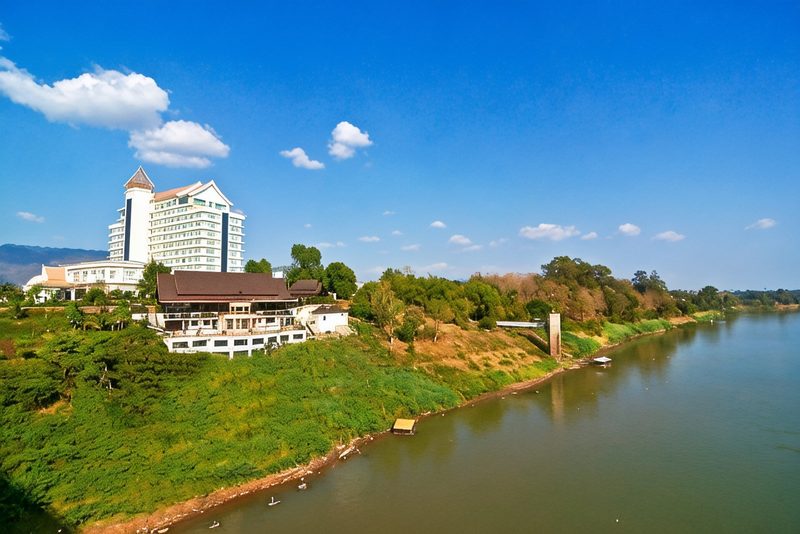
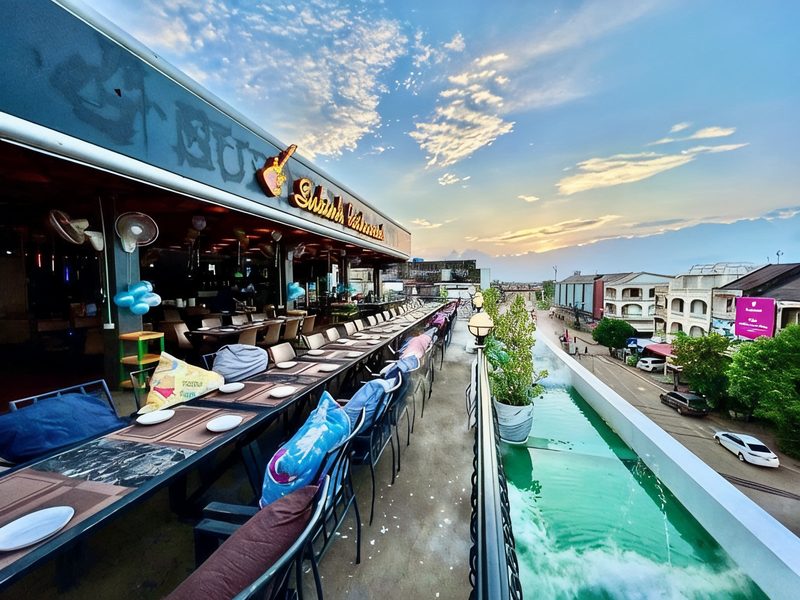
Where to Stay in Laos in September
Hand-picked hotels across price tiers for September travellers.
Packing Checklist
Bookmark this page — your progress is saved between visits
Need the full list with shopping links?
Climate-specific gear, brand recommendations, and what to leave at home.
View Laos Packing List →Essential Tips
Insider knowledge and common pitfalls to avoid
Insider Knowledge
September mornings are the secret window. The rain pattern in Laos during monsoon season is remarkably predictable: mornings dawn warm, overcast, and often dry until noon or 1 PM, when the clouds break open for two to four hours of hard rain. Experienced travelers and residents plan everything, temple visits, waterfall treks, market shopping, tuk-tuk rides between towns, for the 6 AM to noon window, then retreat to a cafe or guesthouse with a book and a Beerlao for the afternoon deluge. By 5 PM, the sky often clears into what locals call the golden hour of wet season: saturated colors, cooler air, and light that turns the Mekong copper. Fighting this rhythm will frustrate you. Following it makes September feel almost leisurely.
Lao food in September is different from what you'll eat in dry season, and better in some ways. Monsoon means wild mushrooms, het bot and het khon, forest mushrooms that vendors sell in damp newspaper bundles at morning markets in Luang Prabang and Vientiane. Try or laap het, the mushroom version of Laos's signature minced-meat salad, spiked with roasted rice powder, mint, shallots, and enough phrik khee noo (bird's eye chili) to make your nose run. September also brings fresh bamboo shoots, which appear in jaew (dipping sauces) and soups everywhere. The Phousi Market in Luang Prabang and Talat Sao in Vientiane are the places to see this seasonal abundance firsthand, arrive before 8 AM for the best selection and the experience of watching Lao grandmothers negotiate with the seriousness of bond traders.
Vassa, Buddhist Lent, means monks are in their temples, not traveling, and this creates opportunities for genuine cultural exchange that don't exist during tourist season. Many temples welcome visitors who want to observe evening chanting (around 6 PM) or simply sit in the courtyard during meditation hours. In smaller towns like Luang Namtha or Muang Ngoi, a respectful foreigner showing interest during Vassa will often be invited for tea by the abbot. Don't photograph without asking. Don't point your feet at Buddha images. Take off your shoes. Beyond that, the monks tend to appreciate the company.
The Laos-China Railway, completed in 2021 and now well-established by 2026, is the most comfortable way to travel between Vientiane and Luang Prabang, 2 hours through mountains and tunnels versus 6-10 hours on a bus that might be delayed by landslides. In September, when road conditions are at their worst, the train is not just convenient but practically essential for the northern route. Book tickets through the LCR app or at Vientiane Station a few days ahead; September demand is low enough that same-day tickets are often available for second class, though first class sells out on weekends.
Avoid These Mistakes
Avoid building a rigid day-by-day itinerary with no buffer days. September in Laos requires flexibility like no other month. Flights cancel, roads flood, bus schedules mean nothing when a mudslide blocks the highway outside Kasi. The travelers who have the best September trips are the ones who book accommodation only one or two stops ahead and leave blank days for weather delays. Plan your must-see destinations but hold your schedule loosely, or September will rearrange it for you.
Don't assume the Mekong slow boat between Huay Xai and Luang Prabang is the same experience year-round. In September, the river is at peak flood stage, muddy brown, carrying debris, running fast. The two-day journey still operates but the scenery is dramatically different from the postcard-blue dry-season version, and some travelers find the brown water and submerged banks disappointing. If the slow boat is a bucket-list item, November through February is your window. In September, the train from Luang Namtha or a flight from Vientiane are more reliable alternatives.
Don't pack only sandals and no proper walking shoes. The trails at Kuang Si Falls, the paths between temples in Luang Prabang, the uneven streets of Vientiane's old quarter, everything is slippery in September. Wet moss on stone temple steps is treacherous. Every September, travelers end up at Mahosot Hospital in Vientiane or the provincial hospital in Luang Prabang with sprained ankles or worse because they wore flip-flops on a waterfall trail. Water-capable shoes with real traction are non-negotiable.
Ready to plan your trip to Laos?
Now that you've got the research covered, here's where to go next.
Book Experiences in Laos
Top-rated things to do in Laos this September


Explore More Activities in Laos
Didn't see anything interesting yet?
Browse Viator's full catalog of tours, day trips, food experiences, and private guides in Laos.
See All Laos Tours on Viator