
Things to Do in Laos in August
August weather, activities, events & insider tips
Low Season · Budget Friendly
August Weather in Laos
Temperature, rainfall and humidity at a glance
88°F (31°C)
High Temp
76°F (24°C)
Low Temp
13.1 inches (333 mm)
Rainfall
70%
Humidity
⚠ Heavy rainfall expected, carry rain gear daily
Is August Right for You?
Weigh the advantages and considerations before booking
Advantages
- + Laos looks almost unreal in August. Rice paddies on the Vientiane Plain and around Luang Prabang flood to the brim, turning into glass at dawn and reflecting the sky. The Mekong swells, coffee-brown and fast. Jungle hills grow so dense they seem upholstered in green velvet. And every waterfall, Kuang Si, Tad Sae, Tad Fane, Tad Yuang, thunders at full volume. If you want Southeast Asia looking alive instead of baked, August is your month.
- + Visitor numbers bottom out. In Laos, already the region's quietest corner, that means near-solitude. December's shoulder-to-shoulder camera scrum on Thanon Sakkaline for the alms-giving dwindles to eight or ten respectful watchers. Temples feel like working monasteries again, not set pieces. Walk the old quarter and you'll hear monks chant, not tour guides lecture.
- + Room rates fall 30-50% nationwide. Luang Prabang guesthouses that demand weeks-ahead bookings in January take walk-ins. Vang Vieng riverside bungalows that feel overpriced in November suddenly make budget sense. Lao Airlines seats between Vientiane and Luang Prabang, Pakse, or Savannakhet open up and sometimes go on sale. Your kip stretches further, plain and simple.
- + August sits inside Khao Phansa, Buddhist Lent. Monks hole up for three months of study and meditation, and temple life pulses with early-morning chants and frequent merit-making. Dry-season crowds rarely witness this. You will.
Considerations
- − The rain is non-negotiable. August dumps up to 50 mm (2 inches) in a single afternoon, usually between 2 PM and 5 PM. Flash floods turn unpaved roads to soup. Route 13 between Vang Vieng and Luang Prabang, mostly paved but landslide-prone, can close for hours. Tracks in Phongsali, Houaphan, and Sekong provinces become dirt-bike-only territory. Build slack into any remote overland plan.
- − Rivers turn wild. The Mekong's current stiffens, so the Huay Xai, Luang Prabang slow boat still runs but takes longer and bucks more. Vang Vieng tubing survives under tight limits: the Nam Song flows fast and brown, and operators shorten the route. Kayakers need solid skills. The upside is cinematic scenery. The downside is brown, powerful water that demands respect.
- − Jungle life gets personal. Leeches wait on every damp trail around Nong Khiaw and the Bolaven Plateau. Mosquitoes hunt from dusk, and dengue peaks, pack repellent and sleep under treated nets if screens are missing. Humidity mildew-dries shoes, clothes, and camera bags within a day unless you air them relentlessly.
Best Activities in August
Top things to do during your visit
Kuang Si Falls and Rainforest Swimming
Come August, Kuang Si leaves its Instagram persona behind. The 60 m (197 ft) main drop becomes a white rampage framed by impossibly green jungle. Sediment clouds the famous turquoise pools into emerald-jade, yet they stay swimmable and almost empty. You might share the lower basin with five travelers instead of December's hundred. The adjacent bear-rescue centre is livelier in the cool, overcast mornings. The 30 km (18.6 miles) drive south from Luang Prabang takes 45 minutes and the road holds. Arrive early, afternoon rain turns trails into mudslides.
Booking Tip: Shared minivans and songthaews leave Luang Prabang daily. Licensed operators sell tickets until the evening before; August rarely sells out. Budget a half-day for the falls and bears, or a full day if you add nearby villages. Check the booking section below for current combos.
Luang Prabang Dawn Heritage Walks
Luang Prabang's UNESCO-listed old town rewards the early riser, and August mornings, before heat and rain tighten their grip, deliver the goods. At 6 AM the air hovers at 24°C (75°F), cool enough for easy walking and thick with the scent of wet teak, frangipani, and sticky rice steaming in bamboo baskets. The alms-giving ceremony along Thanon Sakkaline begins around 5:30 AM: barefoot monks in saffron robes from Wat Xieng Thong, Wat Sene, and smaller monasteries collect rice from kneeling locals. In August, with few tourists around, the ritual feels exactly like what it is, daily spiritual practice, not a photo shoot. Afterwards, duck behind the Royal Palace Museum to the morning market steps where Lao women sell fresh river weed (khai phaen), buffalo-skin jerky, and forest mushrooms that appear only in monsoon. The peninsula between the Mekong and Nam Khan rivers needs about two hours to explore properly, every second building is either a temple or a French colonial villa being swallowed by tropical vines.
Booking Tip: Licensed heritage guides run walking tours out of Luang Prabang's visitor information center. Reserve a day ahead in August, groups stay small and guides keep flexible. For the alms ceremony, no reservation required. But be in place by 5:15 AM and watch silently from a respectful distance. Current guided heritage walks are listed in the booking section below.
Bolaven Plateau Waterfall and Coffee Circuit
The Bolaven Plateau in Champasak Province rises to 1,200 m (3,937 ft), so August temperatures stick to 22-25°C (72-77°F), cool relief after the lowland furnace. This is Laos's coffee country, where Arabica and Robusta grow beneath shade canopy amid Southeast Asia's most dramatic waterfalls. Tad Fane, twin falls dropping 120 m (394 ft) into a gorge of solid green, runs full-throttle in August, throwing spray you can feel from the viewpoint 200 m (656 ft) away. Tad Yuang, Tad Champi, and Tad Lo all fit into a day's driving loop from Pakse. Plantations are in growing season, not harvest. But plateau roasters pour year-round, and drinking Bolaven-grown drip coffee in a wooden-floored café while rain drums the tin roof needs no embellishment. Roads up from Pakse are paved and manageable. The side tracks to smaller falls turn muddy. An experienced rider can tackle the motorbike loop in wet conditions. Otherwise hire a driver through a Pakse operator.
Booking Tip: Full-day Bolaven Plateau circuits leave from Pakse and usually hit three to four waterfalls plus coffee stops. Reserve one to two days ahead in August, it's quiet and slots open up. If you're riding solo, rent from a reliable Pakse shop and check the tires, bald rubber on wet plateau roads is asking for trouble. See current Bolaven Plateau tours in the booking section below.
Vang Vieng Karst Landscape Kayaking
Vang Vieng's party reputation has been fading for years, and what's left, in August's low season, is one of Asia's most surreal karst landscapes, best seen from the water. The Nam Song in August runs faster and browner than the dry-season turquoise. Yet kayaks still glide along it, and limestone cliffs shooting straight from the jungle look most dramatic when half-wrapped in monsoon cloud. You paddle through scenery lifted from a Chinese scroll: egrets lifting off the banks, water buffalo standing chest-deep in the shallows. River caves, Tham Chang, Tham Phu Kham with its bronze reclining Buddha, stay open year-round, though deeper systems flood and shut during peak monsoon. August kayaking demands basic skill, the current does the work. But you steer around debris and the odd submerged log. Guided trips handle logistics and know which sections are running clean each day.
Booking Tip: Licensed kayak outfits in Vang Vieng launch every morning in August, weather willing. Reserve the day before and double-check morning conditions, afternoon trips wash out more often. A half-day paddle covers the scenic stretch south of town. Tubing still runs on a shortened route and life jackets are now mandatory and enforced. Check current river tour options in the booking section below.
Vientiane Food and Temple Circuit
Laos's capital gets skipped by travelers rushing north to Luang Prabang, which is a mistake any month but in August, when Vientiane's slower rhythm fits the weather. The city's food runs deeper than most realize, August menus lean on monsoon ingredients that vanish the rest of the year. Or lam, the thick stew of aubergine, dill, lemongrass, and whatever protein is handy, reaches peak richness when herbs and greens are at their freshest. Khai phaen, crispy Mekong river weed sheets dotted with sesame and tomato, is a snack you won't taste elsewhere in Southeast Asia. The morning market beside Chao Anouvong Park, the old French Quarter cafés along Rue Setthathilat, and the sunset food stalls on the Mekong promenade all lie within a lazy half-day's stroll. Wat Si Saket, Vientiane's oldest surviving temple, its walls lined with 6,840 Buddha images, and Pha That Luang, the gold-covered stupa that doubles as Laos's national emblem, feel more contemplative in August's quiet. The COPE Visitor Centre, detailing Laos's lingering battle with unexploded ordnance from the Secret War, is sobering, essential, and completely indoors when afternoon rain hits.
Booking Tip: Vientiane's food-focused walking tours run every month, even in August when groups shrink to dodge the rain. Reserve a spot one or two days ahead through the town's licensed local outfits. Temples need no booking, just show up before 11 AM to beat both the crowds and the rising heat. You'll find the current Vientiane tours and experiences listed in the booking section below.
Nong Khiaw River Valley Trekking
Nong Khiaw hangs in a valley on the Nam Ou River, 145 km (90 miles) north of Luang Prabang, hemmed by limestone cliffs that vanish into monsoon fog each August like a scene from a half-remembered dream. This is where trekking in Laos turns serious in the best way, multi-day routes through Khmu and Hmong villages, nights in community homestays where dinner is whatever came out of the fields that day plus sticky rice and jaew bong, the chili paste fired up with buffalo skin. August trekking here is wet, you will be mud to the knee, leeches will latch onto your ankles, and river crossings that barely wet your shins in February rise to your thighs. But the payoff is absurdly beautiful landscapes, waterfalls spilling off every cliff, and villages where you may be the only foreigner anyone has seen in weeks. The viewpoint hike above town, a 1.5 km (0.9 mile) steep climb to Pha Daeng peak at 600 m (1,969 ft), gives you the Nam Ou curling through karst peaks, the whole view softened by humid haze. The trail turns slick in rain, so head out early with proper shoes.
Booking Tip: Trek guides are non-negotiable around Nong Khiaw, trails are unmarked and some cut through areas still littered with UXO. Book through the community-based tourism offices in Nong Khiaw town at least two to three days ahead. Multi-day treks need advance notice so homestays can be lined up. Single-day hikes to the viewpoint can be sorted the same morning. See current northern Laos adventure tours in the booking section below.
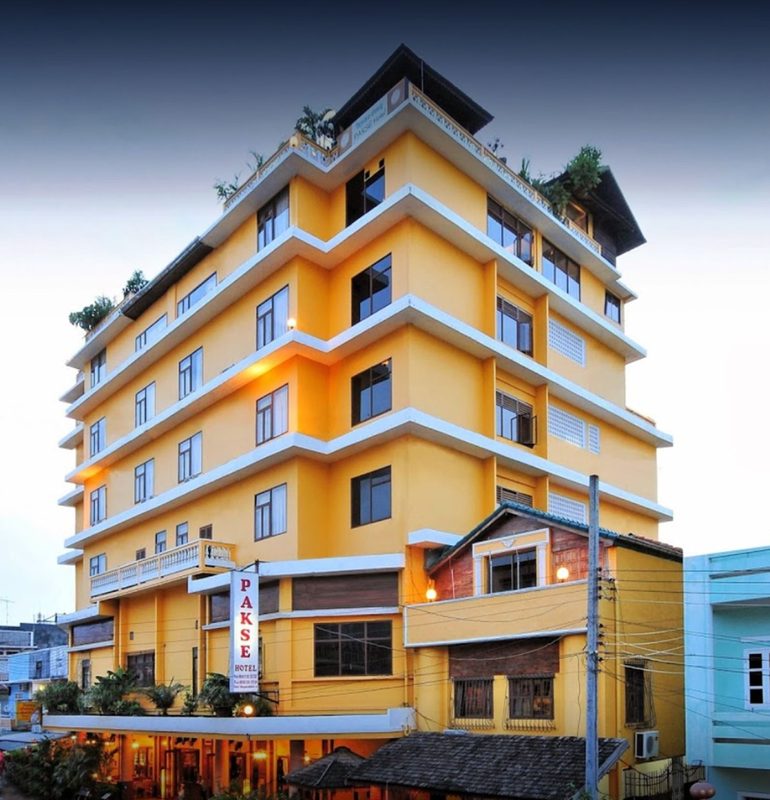
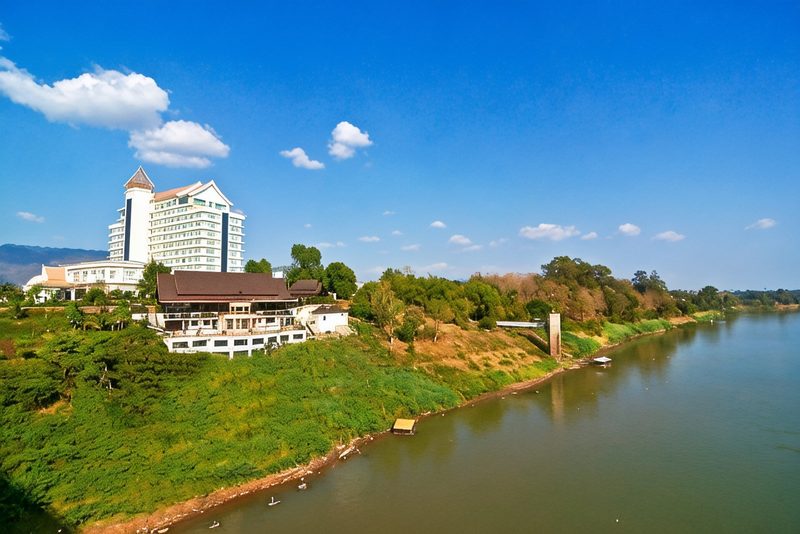
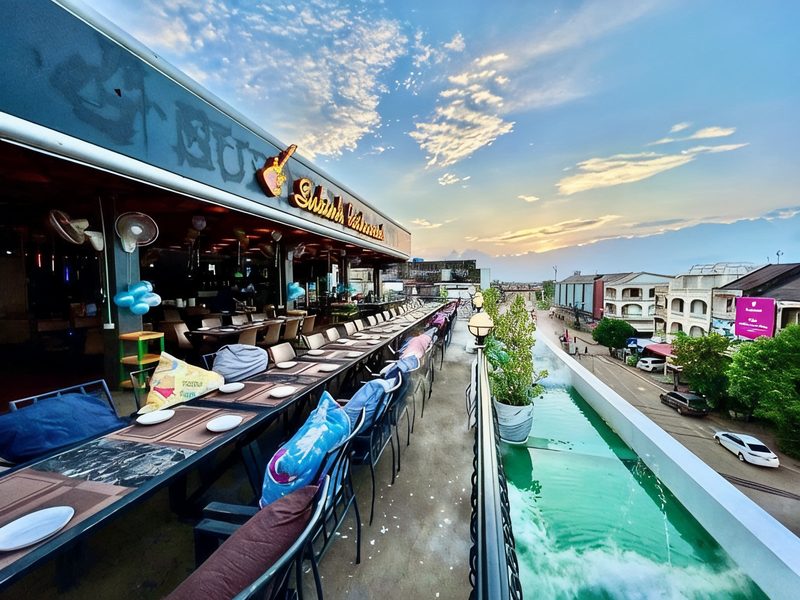
Where to Stay in Laos in August
Hand-picked hotels across price tiers for August travellers.
Packing Checklist
Bookmark this page — your progress is saved between visits
Need the full list with shopping links?
Climate-specific gear, brand recommendations, and what to leave at home.
View Laos Packing List →Essential Tips
Insider knowledge and common pitfalls to avoid
Insider Knowledge
Behind the Royal Palace Museum in Luang Prabang, the morning market stocks the monsoon larder that shapes August eating in Laos. Seek out khai phaen, Mekong river weed dried and fried with sesame seeds, nutty, crisp, faintly marine, plus fresh forest mushrooms that surface only with rain, young bamboo shoots, and plates of jaew maak len, roasted tomato and chili dip made from tomatoes at their August peak. Sellers arrive at 6 AM and vanish by 8 AM. Point, smile, buy whatever intrigues you. Everything is cheap and the women are patient with puzzled foreigners.
Laos holds the grim record of most heavily bombed country per capita. During the Secret War (1964-1973) more ordnance fell here than on all of Europe in World War II, and roughly 30 % remains unexploded. This is living history: UXO accidents still happen, mainly in Xieng Khouang and Houaphan provinces. Never step off established paths in rural zones, after heavy rain that can shift buried bombs. The COPE Visitor Centre in Vientiane and the UXO Lao Information Centre in Luang Prabang are free, essential stops that will reshape how you see the country.
During Khao Phansa many Lao men ordain as monks for a short spell. You may catch ordination ceremonies at neighborhood temples, look for crowds of relatives in traditional sinh skirts and white sashes milling outside the sim. Observe from a respectful distance. Ask with a camera gesture and a smile and families often welcome a photo. These are private milestones, not tourist spectacles, so read the mood and keep out of the way.
In daily life the Lao kip shadows the Thai baht. Along borders and in tourist towns vendors accept baht without hesitation. ATMs issue kip and are dependable in Vientiane, Luang Prabang, Vang Vieng, and Pakse, elsewhere, not so much. Carry clean US dollars as back-up; torn or marked notes are rejected. Exchange at banks or official booths, never at hotel desks. August is low season, and some rural guesthouses in Nong Khiaw, Phongsali, or the 4000 Islands run cash-only with no ATM for hours, stash enough kip for several days.
Avoid These Mistakes
Do not try to race across the country overland. Laos looks petite on a map. Yet roads twist, climb, and in August can wash away. The Vientiane, Luang Prabang bus, 340 km, needs 9-11 hours on a good day, longer when monsoon floods or landslides hit Route 13. Travelers plotting Vientiane, Vang Vieng, Luang Prabang, Nong Khiaw in seven days spend most of it queasy on switchbacks. Choose two bases and linger. When domestic flights are running in August, take them.
Forget the fantasy that the Mekong slow boat from Huay Xai to Luang Prabang is a placid two-day cruise. In August the river is high and fast, the boat battles the current, and rain turns the open-sided craft into a cold shower stall. The journey is still spectacular, karst cliffs soar. But bring that rain jacket, pack extra snacks beyond the Pak Beng lunch stop, and brace for a rough ride, not a scenic float. The 'speedboat' alternative is terrifying year-round and outright dangerous in monsoon swell. Slow boat or fly, nothing else.
Don't write off Vientiane because a forum post labeled it dull. The capital refuses to imitate Bangkok or Hanoi. Monks outnumber tuk-tuks and the Mekong promenade at dusk feels like a sleepy French river town. That is the charm. In August, when the rest of the country demands sweat and patience, Vientiane's flat lanes, covered markets, superb Lao-French bakeries along Rue Setthathilat, and the air-conditioned COPE centre offer a soft landing. Budget at least two full days.
Ready to plan your trip to Laos?
Now that you've got the research covered, here's where to go next.
Book Experiences in Laos
Top-rated things to do in Laos this August


Explore More Activities in Laos
Didn't see anything interesting yet?
Browse Viator's full catalog of tours, day trips, food experiences, and private guides in Laos.
See All Laos Tours on Viator